






Root Canal Treatment

Root Canal Treatment

A root canal, or endodontic therapy, is a treatment option that allows you to keep teeth that would otherwise require an extraction. It is required if decay progresses to a level that causes your tooth’s nerve tissue to be affected. Once this occurs it is vital that the tooth be treated, otherwise this infection will spread causing other problems, such as;

logan village dental
  • Severe, constant, throbbing pain
  • Facial swelling
  • A bad taste in the mouth
  • Halitosis (bad breath)
  • Spread of infection to other parts of the body, making you feel generally unwell

Root canal treatment is the process of removing the infected or damaged tissue from inside a tooth. This tissue (or pulp) contains nerves and blood vessels that help nourish the tooth. During root canal treatment;

  • The pulp is located and removed
  • The pulp chamber and root canals are cleaned, reshaped and sterilized
  • The root canals and pulp chamber are filled and sealed so no bacteria can re-enter
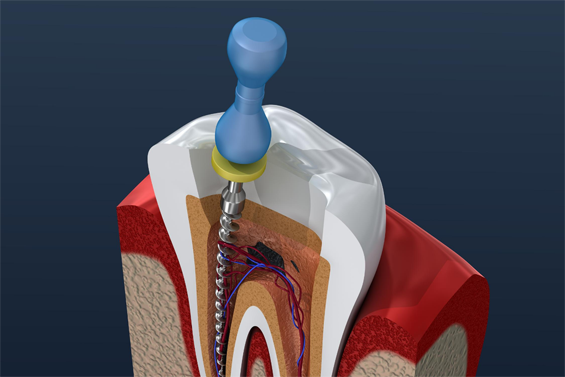
logan village dental Root Canal

The most common causes of pulp damage are severe decay or a fracture that exposes the pulp to bacteria. Other causes of pulp damage include traumatic injury, such as a blow to the tooth, a cracked filling, loose filling or repeated fillings in a tooth and occasionally periodontal, or gum, disease. Once the pulp has been exposed to bacteria it will eventually become infected. Unfortunately even with all of the modern advances in dentistry, there are still some teeth that are so badly damaged they cannot be saved. If this is the case, then other treatment options such as implant therapy or bridge work should be considered.

For more information about any of the above please do not hesitate to contact our surgery.

Frequently Asked Questions

What is a root canal treatment?
A root canal is a dental procedure used to treat and save a tooth that has become infected or badly damaged. It involves removing the infected nerve tissue inside the tooth, cleaning the area and sealing it to prevent further infection.
Why would I need a root canal?
A root canal is usually needed when decay or damage reaches the inner nerve of the tooth, causing infection. This can lead to pain, swelling or sensitivity, and treatment is needed to prevent the infection from spreading or the tooth from being lost.
What are the signs I might need a root canal?
Common signs include persistent tooth pain, sensitivity to hot or cold, swelling in the gums, a bad taste in the mouth or discomfort when chewing. In some cases, the tooth may also darken in colour.
Is a root canal painful?
Modern root canal treatment is generally no more uncomfortable than having a filling, as local anaesthetic is used. Some mild soreness afterwards is normal, but this usually settles within a few days.
How long does root canal treatment take?
Treatment may take one or more appointments depending on the complexity of the tooth. Your dentist will let you know what to expect after assessing your individual case.
What happens after a root canal?
After the infection is removed and the tooth is sealed, a filling or crown is often recommended to protect and strengthen the tooth. This helps restore normal function and reduces the risk of further damage.
Are there alternatives to a root canal?
The main alternative is removing the tooth. However, saving your natural tooth with a root canal is usually preferred where possible, as it helps maintain normal chewing and prevents gaps from forming.
How do I care for my tooth after treatment?
Good oral hygiene is important, including brushing twice daily, flossing and attending regular dental check-ups. Avoid chewing hard foods on the treated tooth until your dentist confirms it is fully restored.